

There is much to learn when you become pregnant, and one common question is, when and why should I see a Pelvic Floor Physiotherapist.
Pregnancy MOT
I specialise in obstetric physiotherapy, addressing a variety of pelvic floor and musculoskeletal conditions during pregnancy, including:
- Pelvic girdle pain
- Lower back pain
- Neck and thoracic pain
- Rib pain
- Carpal Tunnel Syndrome
- Pelvic floor symptoms such as incontinence, constipation and pelvic pain
- Birth preparation and pelvic floor risk screening
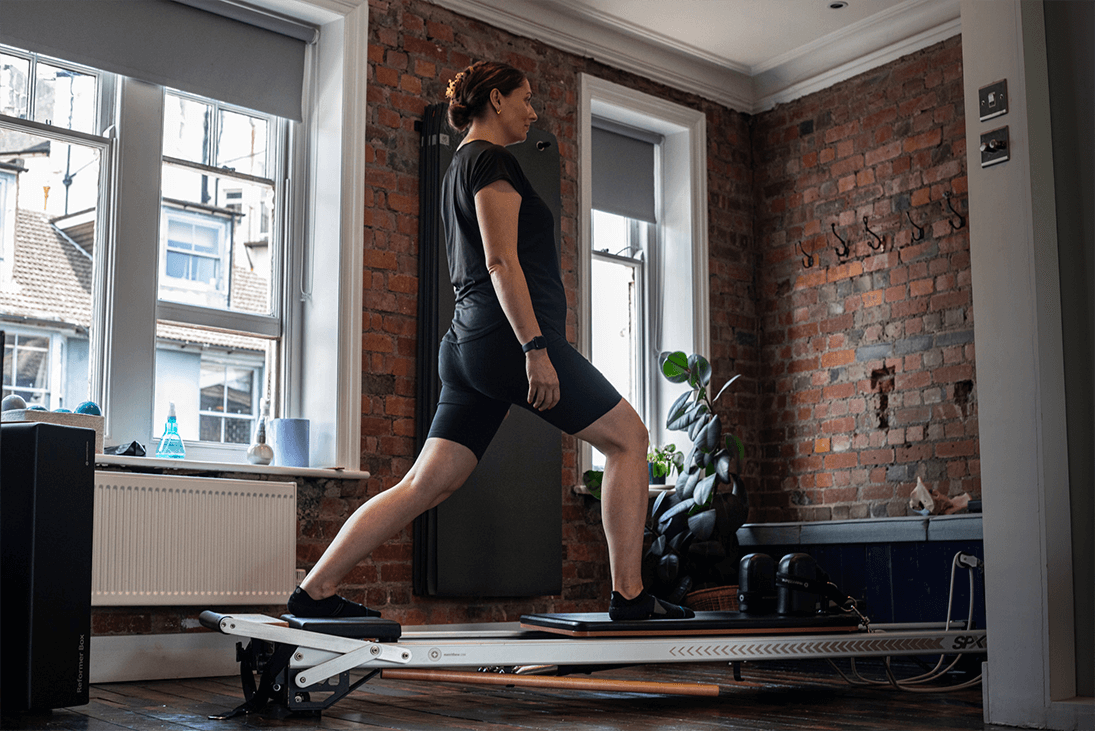

What to expect
A comprehensive pregnancy assessment may include:
- Discussion: Your pregnancy journey and birth preferences
- History: Detailed gynaecological and obstetric background
- Bladder, Bowel, and Sexual Function: In-depth assessment
- Medical and Menstrual History: Thorough review
- Physical Examination: Assessment for pelvic girdle pain and common pregnancy-related concerns
- Exercise Guidelines: Discussion on safe exercise practices during pregnancy
- Anatomy Overview: Information about changes to your pelvis, pelvic floor, vagina and vulva
- Pelvic Floor Screening: Early detection and prevention of pelvic floor dysfunction
- Education and Management: Guidance on abdominal health, prolapse prevention and potential management strategies
Pregnancy and Postnatal Pelvic Floor appointments
There is much to learn when you become pregnant, and one common question is, when and why should I see a Pelvic Floor Physiotherapist. Over the years, I have often heard women emphasise how if they known the issues relating to their pelvic floor they may have had a more positive birth and recovery.
I recommend booking this after your first trimester, ideally around 13 weeks. This session typically marks the first evaluation of your pelvic floor, movement patterns, and strength. It provides guidance on the appropriate type and amount of exercise, pelvic floor strengthening, or relaxation needed. Establishing your baseline during this session helps us compare your progress post-birth, allowing you to achieve your post natal goal. Even if you have no symptoms, an appointment at this stage is highly recommended.
Around 20 weeks, after your morphology scan, I advise scheduling another visit to assess your pelvic floor’s functionality midway through your pregnancy. We also check on your overall body health to minimise the risk of developing musculoskeletal issues.
During this session, we explain the pelvic floor’s normal functions and how to prepare it for birth. If you plan a vaginal birth, learning to relax your pelvic floor is crucial, and I provide exercises and advice to help. We also cover perineal tearing, risk factors, prevention strategies, and ongoing pregnancy exercises. This is an ideal time to address any aches or pains, as the second half of pregnancy places greater strain on your pelvic floor, hips, back and pelvis.
I really believe that being informed is empowering as your due date approaches, your body is about to undergo an incredible, life-changing event. While birth can be beautiful, it can also be challenging. This is why I offer birth preparation appointments to all pregnant patients.
In this session we will work together on relaxing your pelvic floor in preparation for the lead up of birth. Practicing this beforehand is essential. I will teach evidence-based pushing techniques, labouring positions that open the pelvic cavity, and perineal massage. I will also discuss the early weeks of postpartum recovery. I can also treat any musculoskeletal problems during this time.
I recommend all new mothers check in between 4-6 weeks postpartum for an evaluation of their pelvic floor, abdominal muscles, and scar tissue (whether from C-sections, episiotomies or perineal tears). These appointments are invaluable for ensuring your bladder and bowel function well and that your return to exercise (and eventually intercourse) is safe and comfortable.
Postnatal, not pregnant?
We’ve still got you covered, click here to check out our postnatal services.